

Interventional Care

We notice that you are visiting us from . This site only services US-based visitors. Would you like to visit the site that is appropriate for your location?
What is the Hantavirus Pathogen?
• Hantaviruses are group of viruses that can cause severe illness and death1.
• Incubation period is 4 to 42 days after exposure; median of 18 days1.
• Hantaviruses can cause hantavirus pulmonary syndrome (HPS) that affects the lungs and the case fatality rate can be approximately 38%1.
• In the US, hantavirus is most commonly spread to humans through contact with infected rodents.
• The Andes variant of hantavirus is endemic to South America and is spread by rodents with the potential for person-to-person transmission.
• Symptoms of HPS include fatigue, fever, muscle aches, headaches, dizziness, chills, nausea/vomiting/ diarrhea/abdominal pain1.
What is the current situation surrounding the Hantavirus?
• The World Health Organization (WHO) was notified on May 2, 2026 of a cluster of severe acute respiratory illness among cruise ship passengers and crew that was laboratory confirmed hantavirus, Andes virus strain. As of May 8, WHO reported 8 cases, including 3 deaths. The cruise ship departed from Argentina
on April 1, 2026 and traveled across the South Atlantic Ocean. (https://www.cdc.gov/han/php/notices/han00528.html)
How does the Hantavirus spread?
• In the U.S., hantavirus is most commonly spread to humans through contact with infected rodents.
• Andes virus strain of hantavirus is the only strain with known person-to-person transmission via close, prolonged contact with a symptomatic individual. This includes time spent in enclosed spaces, exposure to the infected person’s saliva, respiratory secretions, or other body fluids.
What are some CDC precautions and infection control measures?
• Environmental Exposure: Avoid exposure to rodents/rodent droppings, wet cleaning and disinfection practices with appropriate PPE use, use of an EPA registered disinfectant in accordance with CDC recommendations2.
• Person-to-Person Exposure (specific to Andes virus): frequent hand washing, avoid close contact with exposed or infected individuals (avoid sharing drinks, eating utensils, food sharing)2.
Does PDI offer disinfection solutions against Hantavirus?
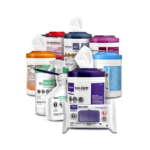
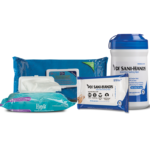
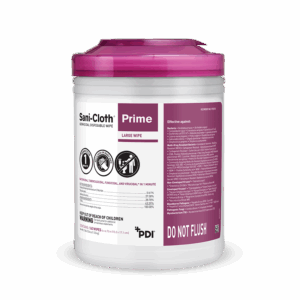
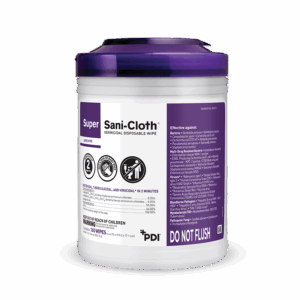
• No. PDI products do not carry specific EPA-approved efficacy claims against Hantavirus. However, several PDI disinfectant wipes — including Sani-Cloth® Prime, Super Sani-Cloth®, Sani-Cloth® Bleach, Sani-Cloth® AF3, Sani-HP1™, and Sani-Hypercide® — have efficacy claims against enveloped viruses and should be used according to EPA-approved label directions and CDC guidance.
References
1 https://www.cdc.gov/han/php/notices/han00528.html; https://www.cdc.gov/hantavirus/faq/index.html; https://www.cdc.gov/hantavirus/about/andesvirus.html
2 https://www.cdc.gov/hantavirus/about/andesvirus.html#cdc_disease_basics_causes_risk_spread-how-it-spreads; https://www.cdc.gov/healthy-pets/rodent-control/clean-up.html