

Interventional Care

We notice that you are visiting us from . This site only services US-based visitors. Would you like to visit the site that is appropriate for your location?
This product kills SARS-CoV-2
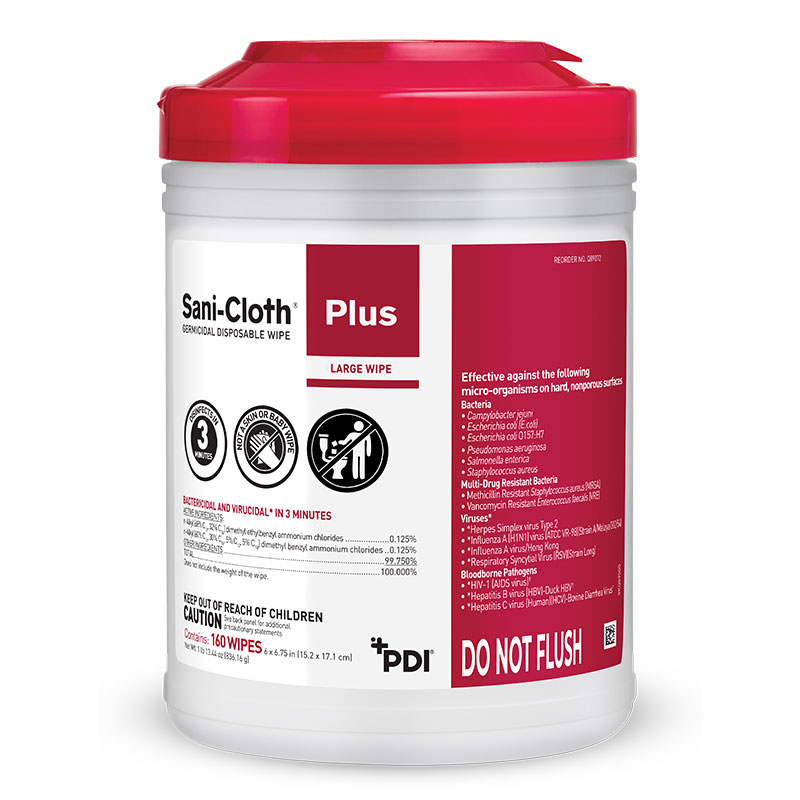
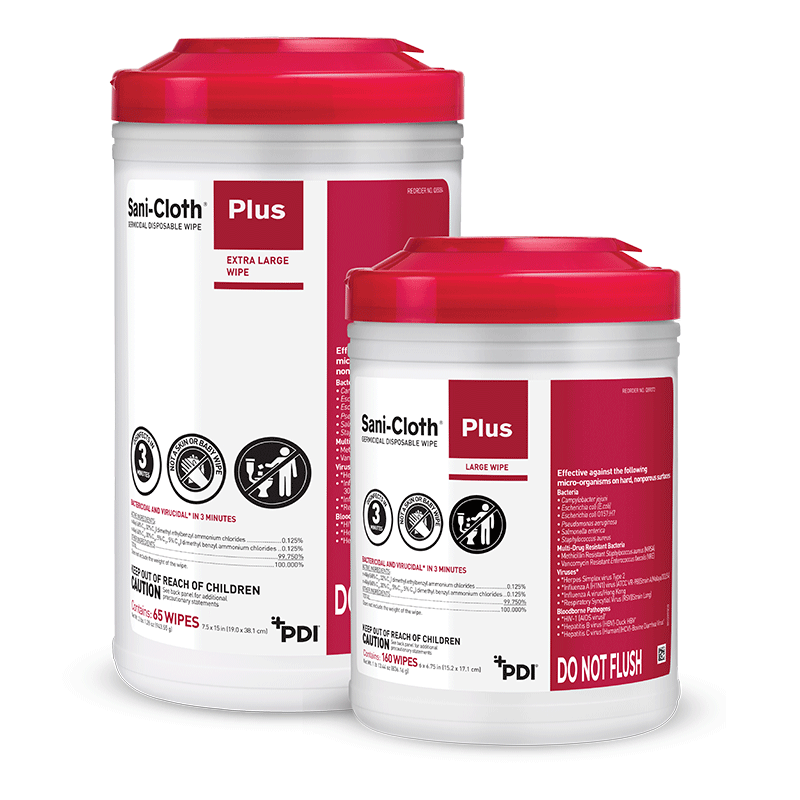
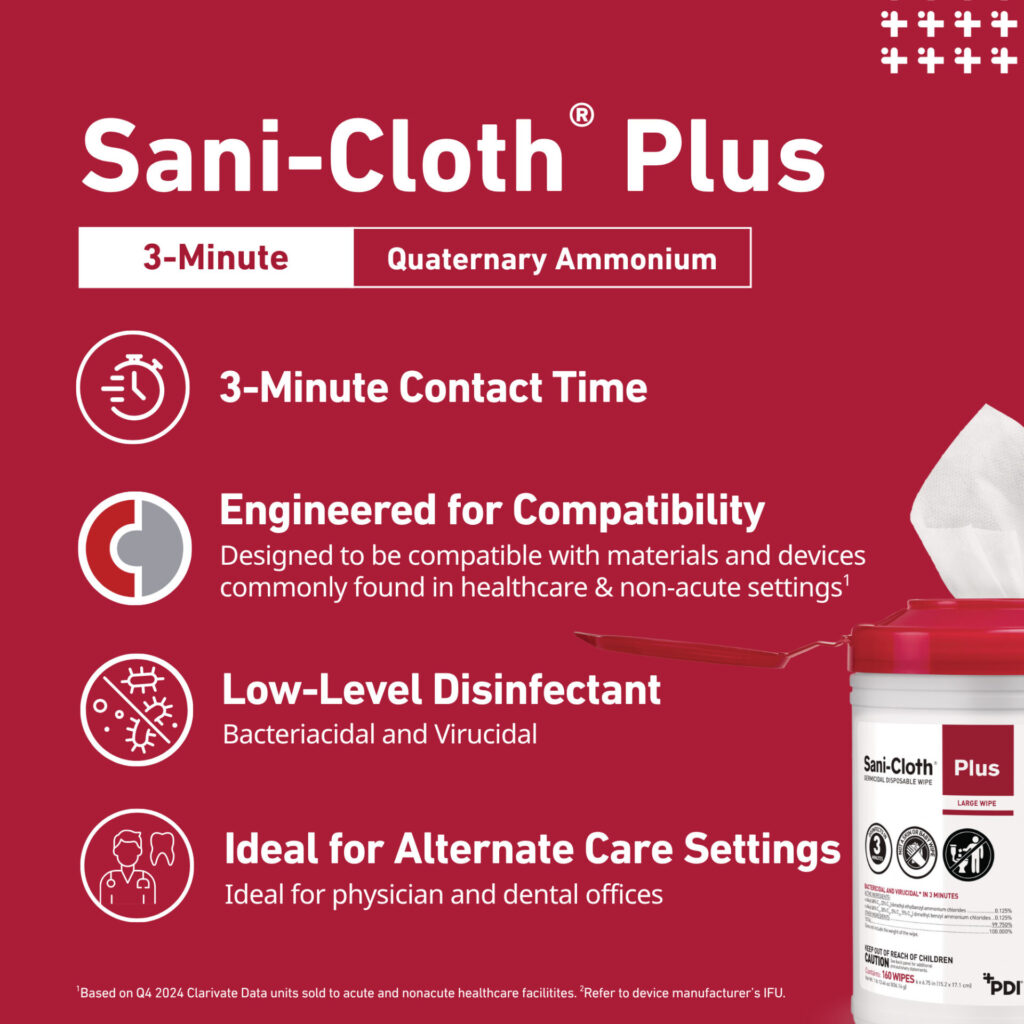


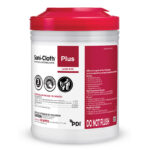

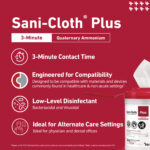

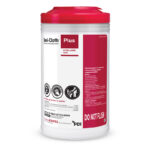

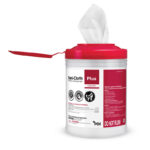
Effective against 18 microorganisms in 3 minutes. Ideal for use in alternate care settings including physician and dental offices.
SELECT A SIZE
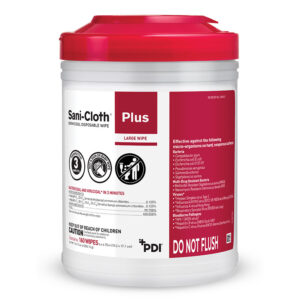
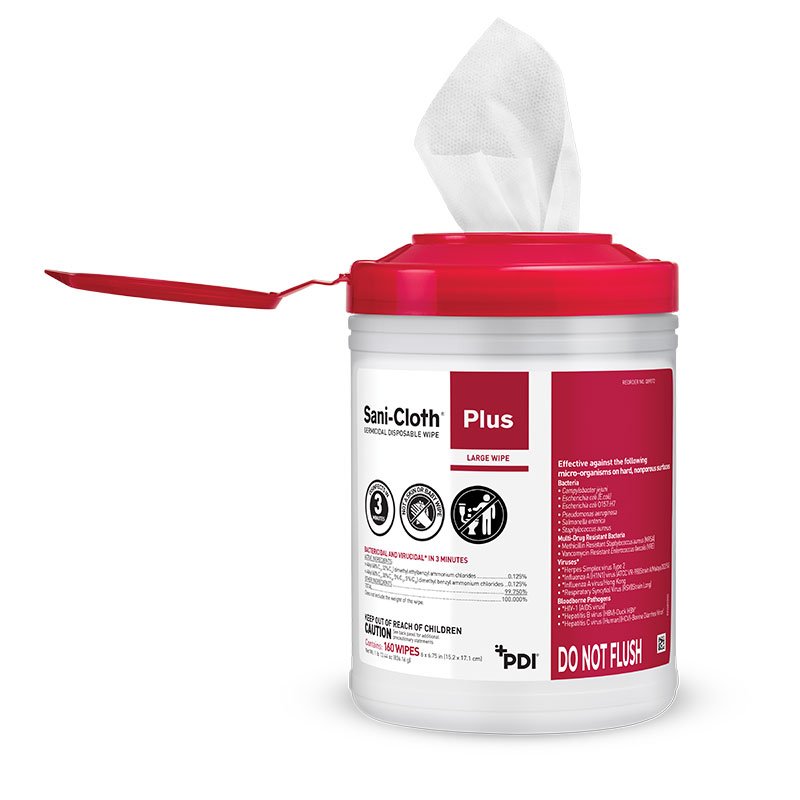
Packaging | 12/160's
Dimensions | 6" x 6.75"
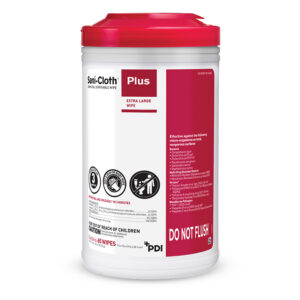
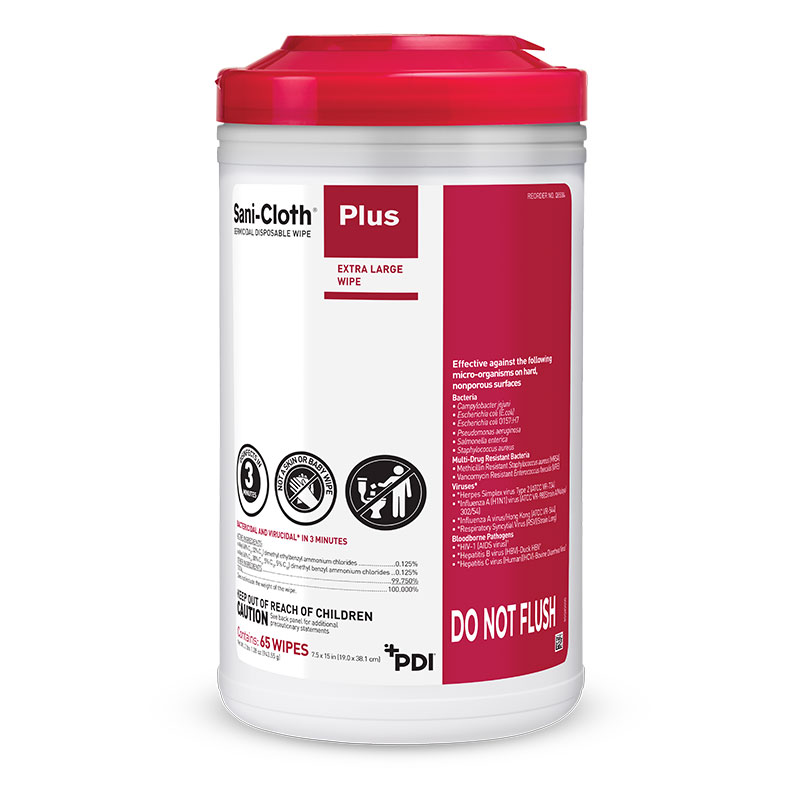
Packaging | 6/65's
Dimensions | 7.5" x 15"

9480-6

Quaternary ammonium. Compares to competitor Quat/Low-Alcohol disinfectant products

3 minutes

18 microorganisms – Bactericidal, Virucidal

Use in alternate care settings including physician and dental offices on hard nonporous surfaces*

Low level disinfectant

24 month

Compatible with a broad range of surfaces and equipment in healthcare

Prominent contact time icons for easy identification and improved compliance

Meets CDC, OSHA and infection control guidelines

One step cleaner and disinfectant
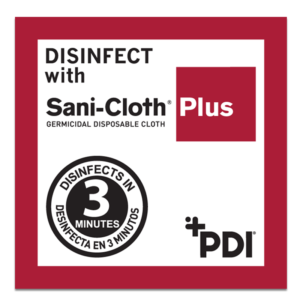
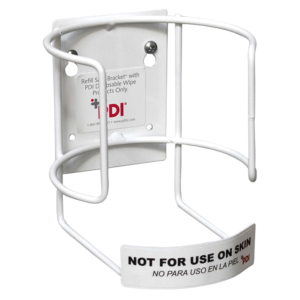
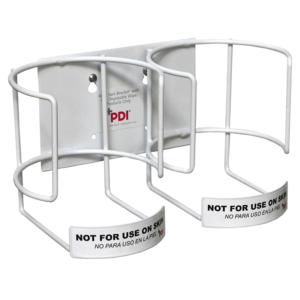
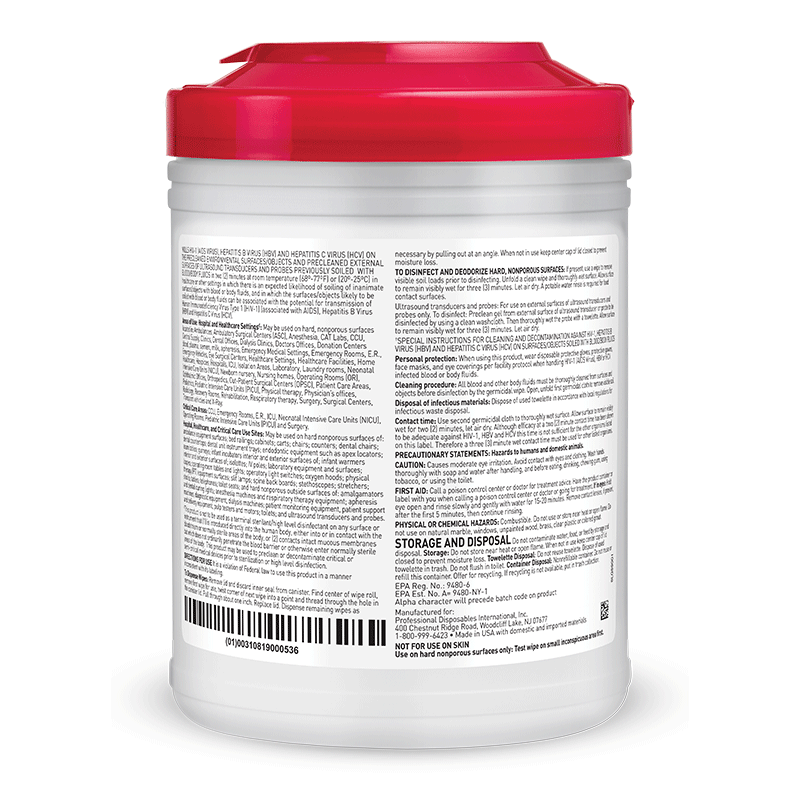
This precautionary sign for Sani-Cloth Plus wipes has easy-to-identify contact time, not a skin or baby wipe, and…
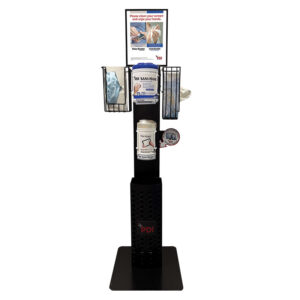
This instructions for use sign contains step-by-step directions on how to properly dispense and disinfect using Sani-Cloth Plus…
PDI offers a broad range of evidence-based, market-leading Interventional Care, Environment of Care, and Patient Care solutions, all…
Your Total Environment of Care Solution: From the innovators of germicidal wipes for healthcare, our Environment of Care…
Compatibility with plastics, metals, and other common materials is a critical design criteria for PDI formulations. We continually…
Can PDI Germicidal Wipes ship by air transportation?
Most Sani-Cloth® brand germicidal wipes can be shipped via air transportation. However, Sani-Cloth® Prime, Super Sani-Cloth®, Sani-Cloth® Plus, and Easy Screen® wipes cannot be shipped by air due to shipping regulations and must be transported by ground only.
Can Sani-Cloth® Germicidal Disposable Wipes be used on toys?
Sani-Cloth wipes are available in EPA-Registered formulations that are approved and labeled for use on hard, non-porous toys. The products clean and disinfect in a one-step process, unless visibly soiled. Once disinfected, toys should be rinsed with potable water (tap water) to remove any residue and allowed to air dry. According to the Association for Professionals in Infection Control and Epidemiology (APIC), the recommended procedure for disinfecting toys is “Toys should be cleaned/disinfected between patients, especially those that are visibly soiled, mouthed, or used by patients in isolation. Toys should be washed thoroughly; disinfected with a non-toxic, low-level disinfectant and air dried completely.” Infection control experts recommend only washable toys for sharing. Stuffed animals and toys that cannot be cleaned and disinfected should not be shared.
SOURCE: APIC Text of Infection Control and Epidemiology, Chapter 39, p. 14-15, Association for Professionals in Infection Control and Epidemiology, 2011. www.apic.org
Do PDI Germicidal Disposable Wipes contain any ingredient listed as carcinogenic?
PDI disinfectants DO NOT contain any ingredients listed as a carcinogenic by the National Toxicology Program (NTP), American Conference of Governmental Industrial Hygienists (ACGIH), and Occupational Safety and Health Administration (OSHA). To register any disinfectant product with the US Environmental Protection Agency (EPA), the manufacturer is required to provide the EPA with the product’s manufacturing process, active and inactive ingredients, efficacy, chemistry, toxicity, and information about relevant impurities. The EPA conducts a thorough review of these materials and product’s ingredients. The agency would not register any product if it contained carcinogens without requiring relevant label warnings (40 CFR 156.10(g)(7)). As such, Sani-Cloth® Wipes do not contain carcinogenic label warnings.
Does NFPA 30 apply to PDI disinfectants (Germicidal wipes)?
NFPA 30 applies to the storage of flammable and combustible liquids. PDI products, including Sani-HyPerCide® wipes, Sani-Cloth® Prime wipes, Super Sani-Cloth wipes, and Sani-Cloth Plus cloth, as well as Easy Screen® Cleaning Wipe, are exempt from the requirements of NFPA 30. This is because the scope of NFPA 30 (Section 1.1) states that it applies to the storage, handling, and use of flammable and combustible liquids. Even though our products contain liquids that have been classified as flammable on the SDS, the wipes themselves are not classified as liquid products. Rather, they are wipes impregnated with flammable liquids, even though there may be a small amount of free liquid in the bottom of the canister. According to the EPA, wipes are classified as a mixture product containing solids and liquids. The NFPA has also confirmed that wipes are not considered to be liquid for the purposes of NFPA 30. In addition, NFPA Section 9.1.4(4) states that it does not apply to “medicines, foodstuffs, cosmetics and other consumer products that contain more than 50 percent by volume of water-miscible liquids, with the remainder of the solution not being flammable where packaged in individual containers that do not exceed 5L (1.3 gallons) capacity.” For the above reasons, NFPA 30 does not apply to PDI products. Please verify these storage requirements against your insurance carrier requirements since they may be more stringent than NFPA 30.
What are the levels of disinfection for PDI EPA-Registered products?
All of PDI’s Sani-Cloth® brand products are EPA-registered and meet or exceed CDC recommendations for cleaning and disinfection in healthcare facilities.
Products with an efficacy claim against Mycobacterium bovis (Tuberculosis) are classified as intermediate-level disinfectants.
This includes:
Products without a Tuberculosis claim are classified as low-level disinfectants, including:
What is contact time and what happens if the surface dries before the stated contact time on a Sani-Cloth® product label?
The contact time listed on the product label is the total amount of time that it takes to inactivate ALL of the microorganisms listed on the product label. This time is typically referred to in minutes, and should be communicated to staff members that are utilizing the disinfectant.
Per EPA guidance, treated surfaces must remain visibly wet for the full stated contact time in order to achieve the efficacy claims on the label. If a surface dries too quickly, additional wipes may be needed to keep the surface wet. The overall contact time itself does not change.
Surfaces may sometimes dry before the stated contact time due to factors such as airflow and ventilation, temperature, humidity, or the material/porosity of the surface. This is not uncommon in healthcare environments, which often have high air exchanges and low relative humidity.
While the EPA requires that treated environmental surfaces remain wet for the full contact time, some leading researchers in infection prevention have offered an alternate view. In a commentary published in Infection Control and Hospital Epidemiology (March 2018, vol. 39, no. 3, pp 229–231), Dr. W.A. Rutala and Dr. D.J. Weber suggested that contact time and treatment time are mutually exclusive, and that treatment time — regardless of visible wetness — may be sufficient for wipes (except bleach products). PDI continues to monitor this research closely and will provide customers with the latest information as regulations permit.
What personal protective equipment (PPE) is required when using PDI Germicidal Wipes?
For all PDI products, according to the label instruction, the use of gloves or other PPE may not be required to handle the product, particularly in non-clinical settings. Therefore, the routine use of PPE is not required unless potentially infectious blood or bodily fluids are present or if specifically referenced in the usage instructions. If bloodborne pathogens are present, such as HIV, HBV, and HCV, follow label instructions. You should, however, wear PPE as appropriate in accordance with your facility protocol. Also, in compliance with good industrial and health hygiene, you should wear gloves when cleaning and disinfecting in a patient setting.
Where can I find the expiration date for PDI's Germicidal Wipes?
The expiration date is stamped directly on each product in MM/YYYY format. Shelf life varies by formulation:
Products can be used until the printed expiration date.
Do Sani-Cloth®, Sani-Prime® and Easy Screen® products carry California Proposition 65 Warning?
Sani-Cloth, Sani-Prime and Easy Screen products DO NOT carry California Proposition 65 Warning. Proposition 65, officially known as the Safe Drinking Water and Toxic Enforcement Act of 1986, requires the state to maintain and update a list of chemicals known to the state to cause cancer or reproductive toxicity.
Some PDI products state "store at room temperature." What is the definition of room temperature?
For our EPA-regulated products, such as Sani-Cloth® AF3, Super Sani-Cloth, Sani-Cloth Bleach, Sani-Cloth Plus. Sani-Cloth Prime, Sani-HyPerCide® and Sani-HP1™ brand products, room temperature within a temperature range of 20◦ to 25◦ C (68◦ – 77◦ F) degree for room temperature and within a temperature range of 15◦ C to 30◦ C (59◦ F to 86◦ F). For our FDA-regulated products, such as Prevantics® brand products, “controlled room temperature” indicates a temperature maintained thermostatically that encompasses the usual customary working environment of 20◦ C to 25◦ C (68◦ F to 77◦ F).
SOURCE: USP 41-NF 36 General Notices and Requirements (August 1, 2013 First Supplements) Section 10.30.50. “Room Temperature” indicates the temperature prevailing in a working area. Section 10.30.60. Controlled Room Temperature
Which products are compatible with my equipment?
Our products are designed to be compatible. Extensive work has been performed on materials and equipment to confirm compatibility. For information on Compatible by Design™, our comprehensive program and resources for improving healthcare equipment compatibility, review our “PDI Material Compatibility Reference Guide”, our resources, and use our Equipment Compatibility Tool to learn more!
Please refer to the surface or equipment manufacturer’s guidelines for approved disinfecting instructions and contact your local PDI representative or Customer Care with any additional questions..
Are eye wash stations required for areas where Germicidal Disposable Wipes are utilized?
Eye wash stations are not required for areas where Germicidal Disposable Wipes are utilized as intended for surface disinfection. Although Super Sani-Cloth®, Sani-Cloth Prime, Sani-Cloth Bleach, Sani-HyPerCide®, Sani-Cloth AF3, and Sani-Cloth Plus are classified as eye irritants, there is no OSHA or ANSI regulation that requires an eye wash station for eye irritants and therefore one not needed for these products. Handling of any chemical product, whether category 1, 2, 3, or 4, include using PPE when required, engineering controls if appropriate, and safe work practice controls to minimize any risk of exposure
What is a Master Label, and what information does it include?
A Master Label is the EPA-approved document that defines the approved uses, claims, and safety requirements for a disinfectant product. It provides the complete framework for how the product can be marketed and used in healthcare and other environments.
A Master Label includes key information such as: company name and address; the EPA Registration and Establishment Numbers; approved efficacy claims; toxicity classification; directions for use; required contact times; storage and disposal instructions; first aid and precautionary statements; and any marketing claims reviewed by the EPA.
To review a product’s Master Label, visit the EPA Master Label Lookup Tool [https://ordspub.epa.gov/ords/pesticides/f?p=PPLS:1] and search by EPA Registration Number.
PRODUCT DISCLOSURE
PRODUCT INFORMATION
| Package Size | SKU Number | Country |
| Large Canister (160 count) | Q89072 | USA |
| Extra-Large Canister (65 count) | Q85084 | USA |
INGREDIENT DISCLOSURE
Date of Disclosure: 1/1/2020
To learn more: California Cleaning Right to Know Act
| Ingredients | CAS Numbers | Function | Chemicals of Concern |
| Water | 7732-18-5 | Solvent | None |
| Isopropanol | 67-63-0 | Solvent | OEHHA REL |
| Butoxyethanol | 111-76-2 | Solvent | OEHHA REL |
| Alkyl C12-18 Dimethylbenzyl Ammonium Chloride | 68391-01-5 | Antimicrobial active | None |
| Alkyl C12-18 Dimethyl Ethylbenzyl Ammonium Chloride | 68956-79-6
85409-23-0 |
Antimicrobial active | None |
| Sodium metasilicate | 6834-92-0 | Chelating agent | None |
SAFETY DATA SHEETS
Sani-Cloth Plus Germicidal Disposable Wipe
MANUFACTURER
Professional Disposables International, Inc. (PDI)
400 Chestnut Ridge Road, Woodcliff Lake, NJ 07677
CUSTOMER SERVICE
(800) 999-6423
Information on date of manufacture can be obtained by calling the toll free number.
Product sizes and specifications are available in the convenient chart below.
| SKU Number | Product Size | Dimensions | Packaging | GTIN | Country of Manufacturer |
|---|---|---|---|---|---|
| Q89072 | Large Canister | 6" x 6.75" | 12/160's | 20310819000530 | USA |
| Q85084 | X-Large Canister | 7.5" x 15" | 6/65's | 20310819000547 | USA |


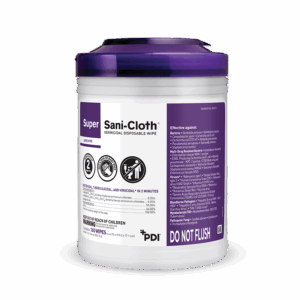
Fast contact time allows for a quick room turnover. Ideal for daily use in fast-paced environments that require short contact…
Kills Candida auris
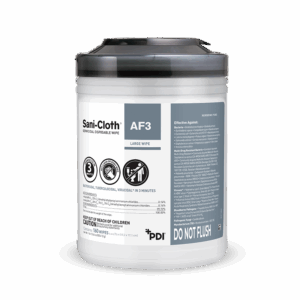
Protecting your staff and patients has never been easier! Alcohol and fragrance free formula is ideal for use around those…
Alcohol Free and Kills TB
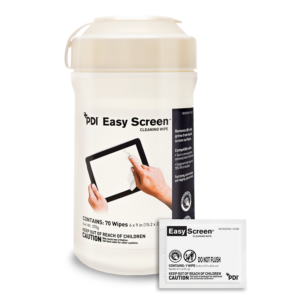
Finally, a compatible 70% IPA touchscreen cleaner that works at the speed of technology.
70% Isopropyl Alcohol
*Healthcare Use Sites: May be used on hard nonporous surfaces of: bed railings, blood glucose meters (glucometers), cabinets, carts, chairs, counters, dental unit instruments trays, exam tables, gurneys, isolettes, IV poles, stethoscopes, stretchers, tables, telephones, toilet seats, diagnostic equipment, patient monitoring equipment, patient support and delivery equipment, and many more! Please refer to the product/master label to get the full listing of use sites.
 SDS English