

Interventional Care

We notice that you are visiting us from . This site only services US-based visitors. Would you like to visit the site that is appropriate for your location?
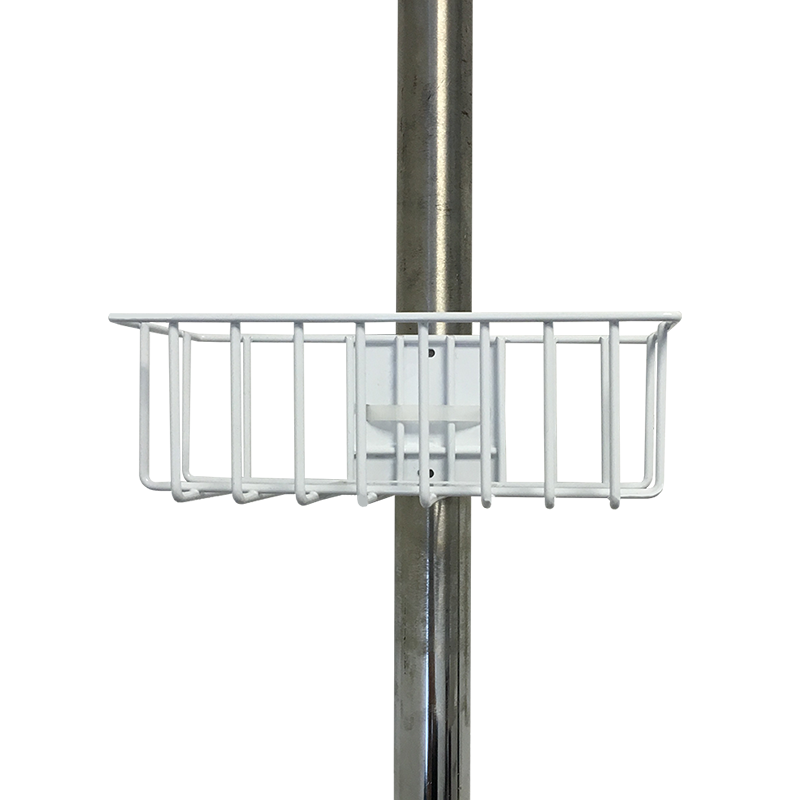
Attach to IV or other poles for easy access to Prevantics® Device product.
SELECT A SIZE
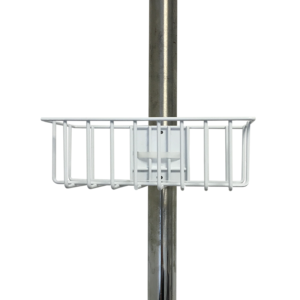
Packaging | 20/case
Dimensions | 5.783" (W) x 1.957" (H) x 2.909" (D)
The Prevantics Device Swab offering now includes a Large sized swab format to complement our existing Prevantics Device…
Introducing a new resource to help you identify the difference between PDI's Prevantics product portfolio - for skin…
This instructions for use is a step-by-step guide on how to properly disinfect blood cultural bottle tops with…
This instructions for use video contains step-by-step directions on how to properly disinfect blood cultural bottle tops with…
How is Prevantics® Device Swab used?
Prevantics Device Swab is designed to disinfect needleless access sites (i.e., “scrub the hub”) prior to use as well as in between each line access. Clinicians are directed to scrub the needleless access site for 5 seconds with back and forth strokes and then allow the site to dry for 5 seconds before accessing.
If I use the Prevantics® Device Swab product, will I still need to use an alcohol impregnated cap?
Not necessarily. If clinicians follow all existing infection prevention and control measures, such as hand hygiene, use of personal protective equipment, use of chlorhexidine-based skin antisepsis, etc. then the use of an alcohol impregnated cap may not be clinically indicated. This would be evaluated by ongoing surveillance of HAI rates.
What evidence-based clinical guidelines support the use of the Prevantics® Device Swab for disinfection of needleless access sites prior to use?
The following evidence-based clinical guidelines support the use of Chlorhexidine Gluconate/Alcohol for disinfection of needleless access sites prior to use:
1. Guidelines for the Prevention of Intravascular Catheter-Related Infections, US Centers for Disease Control and Prevention (CDC)
2. Standards of Practice, Infusion Nurses Society (INS)
3. Strategies to Prevent Central-Line Associated Bloodstream Infections in Acute Care Hospitals, Society for Healthcare Epidemiology of America (SHEA/IDSA/APIC)
4. National Patient Safety Goals, The Joint Commission
5. Clinical Practice Guidelines for Diagnosis and Management of Intravascular Catheter-Related Infection, Infectious Disease Society of America (IDSA)
6. Elimination Guide to Infections in Hemodialysis Settings, Association for Professionals in Infection Control and Epidemiology (APIC)
Where is Prevantics® Device Swab used?
Prevantics Device Swab can be used on needleless access sites—such as needleless ports, hubs, and connectors— which are used on vascular access devices including central venous catheters, PICC lines, midlines, and peripheral IVs.
Why is the Prevantics® Device Swab solution beneficial?
By using an antiseptic to disinfect the needleless access site, you are decreasing the risk of the patient acquiring a bloodstream infection (BSI) which can be fatal to the patient. According to the CDC, “Disinfection of the devices with chlorhexidine/alcohol solution appears to be most effective in reducing colonization”.*
*2011 CDC Guidelines for the Prevention of Intravascular Catheter-Related Infections p.56.
Some PDI products state "store at room temperature." What is the definition of room temperature?
For our EPA-regulated products, such as Sani-Cloth® AF3, Super Sani-Cloth, Sani-Cloth Bleach, Sani-Cloth Plus. Sani-Cloth Prime, Sani-HyPerCide® and Sani-HP1™ brand products, room temperature within a temperature range of 20◦ to 25◦ C (68◦ – 77◦ F) degree for room temperature and within a temperature range of 15◦ C to 30◦ C (59◦ F to 86◦ F). For our FDA-regulated products, such as Prevantics® brand products, “controlled room temperature” indicates a temperature maintained thermostatically that encompasses the usual customary working environment of 20◦ C to 25◦ C (68◦ F to 77◦ F).
SOURCE: USP 41-NF 36 General Notices and Requirements (August 1, 2013 First Supplements) Section 10.30.50. “Room Temperature” indicates the temperature prevailing in a working area. Section 10.30.60. Controlled Room Temperature